
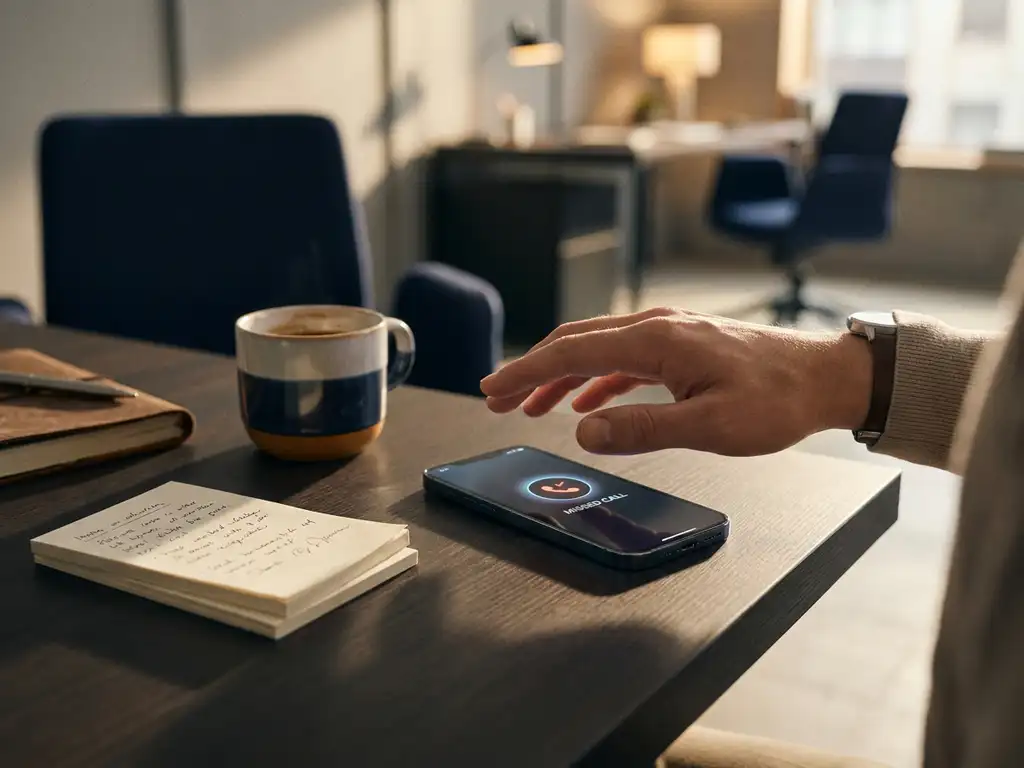
What makes a sales cadence feel pushy instead of persuasive?
A sales cadence feels pushy when every message asks for something without giving anything in return. The prospect receives a connection request, a pitch, a follow-up, and another follow-up, all within the span of a week, with no new information, no relevant insight, and no acknowledgment that they are a real person with real priorities. The cadence becomes a funnel for the sender’s goals, not a conversation for the recipient’s benefit.
The most common signals that a cadence has crossed into annoying territory are easy to spot from the outside. Messages that open with “Just following up on my last email” add no value. Subject lines that manufacture urgency where none exists feel manipulative. A sequence that sends five touchpoints in eight days, all on the same channel, signals that the sender is working through a checklist rather than genuinely engaging.
Persuasive cadences do the opposite. They open with a specific observation about the prospect’s business, reference something timely and relevant, or offer a piece of information the prospect might actually find useful. Each message earns the right to the next one. The goal is not to wear the prospect down, but to give them enough reason to respond on their own terms.
How many touchpoints should a B2B sales cadence include?
A B2B sales cadence should typically include between six and ten touchpoints spread across two to four weeks. Research consistently shows that most responses come after the fourth or fifth contact, which means stopping at two or three means leaving significant pipeline on the table. But beyond ten touches without a response, the incremental return drops sharply, and the risk of damaging your sender reputation increases.
The right number also depends on deal size and sales cycle length. For high-value B2B deals with long decision cycles, a longer cadence with more touchpoints is justified because the stakes are high enough to warrant persistence. For shorter-cycle or lower-ticket offers, a tighter sequence of six to seven touchpoints is usually sufficient.
What matters more than the exact number is the quality and spacing of each touch. A cadence with seven well-timed, relevant messages will outperform one with twelve generic follow-ups every time. Think of the touchpoint count as a ceiling, not a target. Stop when you have a reason to stop, not simply because you have reached a number.
What’s the difference between a high-converting and a low-converting cadence?
A high-converting sales cadence is built around the prospect’s buying context. A low-converting cadence is built around the seller’s convenience. That single distinction explains most of the performance gap between sequences that generate pipeline and sequences that generate unsubscribes.
High-converting cadence characteristics
High-converting sequences start with a strong, specific opening message that references something real about the prospect’s business, their industry, or a recent trigger event. Each subsequent touchpoint adds a new angle rather than repeating the same ask. The messaging shifts across the sequence from awareness to social proof to a concrete next step. Channels are varied deliberately, with email, LinkedIn, and phone used at different stages to reach the prospect in different contexts.
Low-converting cadence characteristics
Low-converting sequences typically start with a generic pitch that could apply to any company in any industry. Follow-ups restate the original message with minor variations. The call to action is always the same, usually a meeting request, regardless of where the prospect is in their awareness journey. The cadence treats every prospect identically, ignoring industry, company size, role, or buying signals. The result is a sequence that feels like a broadcast rather than a conversation.
The underlying data quality also plays a decisive role. A well-crafted cadence sent to the wrong contacts will still underperform. High-converting sequences are built on verified, ICP-matched prospect lists where the contacts are genuine decision-makers with actual buying influence, not just job titles that look right on paper.
How do you time a sales cadence without overwhelming prospects?
Timing a B2B sales outreach cadence correctly means spacing touchpoints far enough apart to avoid feeling relentless, while staying close enough together to maintain momentum. A practical rule is to wait at least two business days between the first and second touch, then extend the gap progressively as the sequence continues. Early messages can be spaced two to three days apart; later messages should have gaps of five to seven days.
Day and time also matter more than most sellers acknowledge. Mid-week mornings, particularly Tuesday through Thursday between 8am and 11am in the prospect’s local time zone, consistently produce higher open and response rates than Monday mornings or Friday afternoons. Sending at the right moment increases the chance your message appears near the top of an inbox when the prospect is actually in a receptive state.
Behavioral triggers can sharpen your timing further. If a prospect opens your email, visits your website, or engages with your LinkedIn content, that is a signal worth acting on quickly. A follow-up sent within 24 hours of meaningful engagement will feel timely rather than intrusive because the prospect has already shown interest. Cadences that incorporate these signals outperform fixed-schedule sequences because they respond to real intent rather than an arbitrary calendar.
Which channels work best in a multichannel sales cadence?
The three channels that consistently deliver results in a B2B sales cadence are email, LinkedIn, and phone. Used together in a structured sequence, they reach prospects across different contexts and significantly increase the chance of a response compared to relying on any single channel alone.
Email is the foundation of most outbound sequences because it scales well, allows for detailed messaging, and creates a written record the prospect can return to. LinkedIn adds a human layer by connecting the outreach to a real professional profile, making the sender verifiable and the message more credible. Phone calls, particularly when preceded by email and LinkedIn activity, land with context and are harder to ignore than a cold message.
The key to multichannel execution is sequencing the channels intentionally rather than using all three simultaneously. A common structure starts with a LinkedIn connection request or profile view, followed by an email one to two days later, then a LinkedIn message after the email, and a phone call in the second week once the prospect has had at least one exposure to the sender’s name. This layered approach builds familiarity before asking for attention, which makes each subsequent touchpoint feel less like an interruption and more like a continuation of an ongoing exchange.
For B2B lead generation in particular, the combination of LinkedIn and email tends to outperform either channel alone, especially when the messaging is consistent across both. Prospects who see the same value proposition reinforced in two places are more likely to engage than those who receive a single isolated message.
When should you stop a sales cadence?
You should stop a sales cadence when the prospect has explicitly asked to be removed, when they have responded negatively, or when you have completed your full planned sequence without any engagement. Continuing beyond these points does not increase your chances of a conversion. It damages your sender reputation, risks compliance issues, and wastes effort that could go toward better-fit prospects.
A clear opt-out request must always be honored immediately, with no additional follow-up. A negative response, whether a firm “not interested” or a request to be contacted at a later date, should pause or end the sequence. If a prospect asks to be reached in three months, remove them from the active cadence and create a reminder rather than keeping them in the live sequence.
For prospects who have not responded at all after six to ten touchpoints, a final breakup message can be a useful last step. This message acknowledges that you will stop reaching out, briefly restates the core value in one sentence, and leaves the door open for the prospect to respond if the timing ever changes. Breakup messages often generate a surprisingly high response rate because they remove pressure and signal respect for the prospect’s time. After that message, move on.
Knowing when to stop is as important as knowing how to start. A well-managed sales follow-up sequence includes a clear exit point, not just a launch plan.
How LeadHQ helps you build a sales cadence that converts
Building a sales cadence that converts is not just a messaging challenge. It depends on having the right prospects in your sequence, the right infrastructure to deliver your outreach reliably, and the right capacity to execute consistently. LeadHQ addresses all three layers so your cadence reaches the right people, lands in inboxes, and gets followed up on without consuming your team’s selling time.
- Verified, ICP-matched prospect lists: Through Prospecting as a Service, LeadHQ sources and validates contacts that standard databases miss, including buying-signal triggers and real decision-makers beyond obvious C-level titles.
- Multichannel outbound infrastructure: LeadHQ’s Outbound Infrastructure as a Service sets up and manages your email domains, LinkedIn sequences, and phone integration so your cadence reaches inboxes rather than spam folders and runs without manual maintenance.
- Dedicated SDR execution: If your team lacks the capacity to run a full sequence consistently, SDR as a Service adds a pre-screened, embedded sales development rep who executes your cadence, handles follow-ups, and books meetings while your closers focus on selling.
- Signal-based timing: Through the Stairoids signal platform, LeadHQ surfaces real-time intent signals, including website visits and LinkedIn profile views, so outreach is timed to actual prospect engagement rather than a fixed schedule.
- Human quality assurance: Every prospect list and campaign setup is reviewed by a person before it goes live, ensuring your cadence starts with clean, accurate data.
If your current outreach cadence is generating low response rates or burning through your prospect list without results, the problem is often structural rather than just a messaging issue. Schedule a 30-minute call with LeadHQ to map out what your outbound stack looks like today and identify exactly where the gaps are.
Frequently Asked Questions
How do I know if my current sales cadence is actually underperforming?
The clearest indicators are a reply rate below 3–5% across your sequence, a high unsubscribe or spam complaint rate, and a pipeline that isn’t growing despite consistent outreach volume. If your open rates are decent but replies are flat, the problem is likely your messaging or call to action, not your deliverability. If open rates are also low, the issue may be your subject lines, sending domain reputation, or the quality of your prospect list. Auditing these three metrics together gives you a clear starting point for diagnosis.
What's the best way to personalize a sales cadence at scale without it becoming too time-consuming?
The most practical approach is tiered personalization: write a fully custom opening line for each prospect (one to two sentences referencing something specific about their business, a recent trigger event, or a relevant industry shift), then use templated blocks for the rest of the message. This means each email feels personal at the point that matters most — the first impression — while keeping production time manageable. Tools like Clay or your CRM’s merge fields can help automate the research layer for high-volume sequences, pulling in data points like recent funding, job changes, or company news.
Should I use the same cadence for cold prospects and warm leads who have already shown some interest?
No — warm leads and cold prospects should run on separate sequences with different messaging, pacing, and calls to action. A warm lead who has visited your pricing page or downloaded a resource already has some context, so your cadence can skip the awareness-building phase and move directly to a more specific, higher-intent offer like a demo or a targeted case study. Treating a warm lead like a cold prospect by starting from scratch is one of the most common ways to lose deals that were already progressing. Segment your lists and build at least two distinct cadence tracks.
How do I write a breakup email that actually gets responses?
An effective breakup email is short, pressure-free, and honest. Keep it to three sentences: acknowledge that you’re stepping back and won’t follow up further, restate your core value proposition in a single, specific sentence, and leave a clear, low-friction door open in case their situation changes. Avoid guilt-tripping language or manufactured urgency — both undermine the respectful tone that makes breakup messages work. The reason they generate surprisingly high response rates is precisely because they signal that you respect the prospect’s time, which can prompt a reply from someone who was interested but just hadn’t prioritized responding.
What are the most common mistakes people make when setting up a multichannel cadence for the first time?
The three most frequent mistakes are using all channels simultaneously rather than sequencing them intentionally, sending inconsistent messaging across channels so the value proposition feels disjointed, and neglecting technical setup like email domain warm-up and LinkedIn connection limits. Running all three channels at once from day one can feel overwhelming to a prospect and may trigger spam filters or LinkedIn restrictions. Start with email as your foundation, layer in LinkedIn after the first touch, and introduce phone in the second week once some familiarity has been established.
How long should I wait before re-engaging a prospect who didn't respond to a previous cadence?
A general best practice is to wait 60 to 90 days before re-engaging a prospect who completed your full sequence without responding, assuming they didn’t opt out or ask to be removed. By that point, their priorities may have shifted, budget cycles may have changed, or a new business challenge may have emerged that makes your offer more relevant. When you re-engage, don’t restart the same sequence — open with a new angle, a fresh trigger event, or a different piece of value so the outreach feels like a new conversation rather than a recycled one.
Does the industry or company size of my target prospect change how I should structure my cadence?
Yes, significantly. Enterprise prospects at large organizations typically have longer buying cycles, more stakeholders involved in decisions, and higher skepticism toward cold outreach, which means your cadence should be longer, more educational, and include multi-threaded touches across multiple contacts within the same account. SMB prospects generally move faster and respond better to concise, direct messaging with a clear, low-commitment next step. Mapping your cadence structure to the average sales cycle length and decision-making complexity of your target segment will consistently outperform a one-size-fits-all approach.